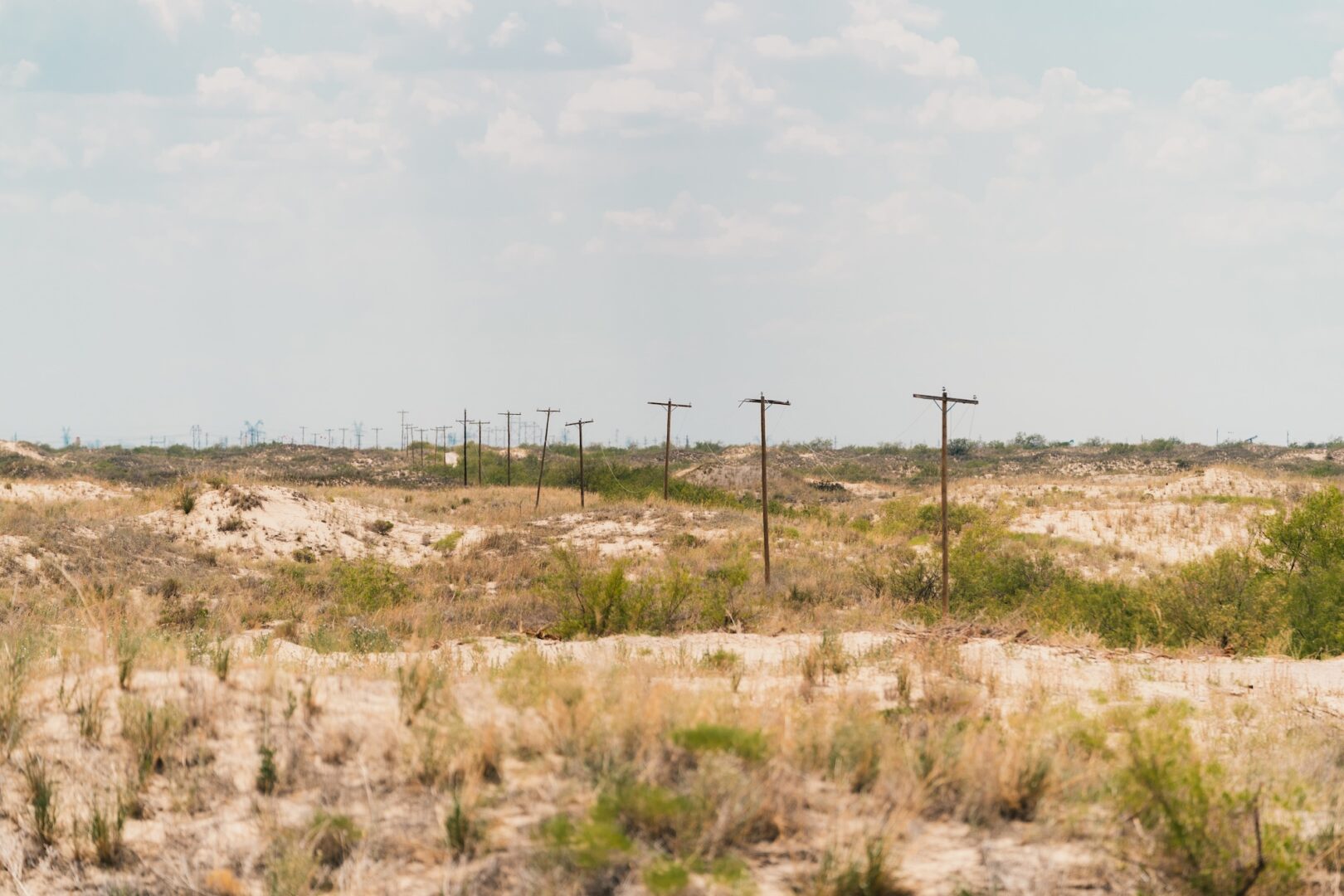
As November begins, the 100+ degree temperatures are behind us in Texas. We’re finally enjoying the slow rollout of some version of fall and waving goodbye to the summer heat.
Every Texas driver knows the misery of climbing into a hot car in the summer. In less than six months, I’ll once again be opening the door of my black vehicle and feeling the heat engulf me. The rush of hot air always brings to mind for me one of the most tragic human dignity violations in our state. It’s something that few people even know is happening inside Texas.
Who Takes the Heat?
When families, attorneys, and ministers visit the nearly 90,000 people incarcerated in Texas prisons, the welcome areas are some of the few air-conditioned areas in two-thirds of our prisons.
When ministers and corrections officers go from the family welcome areas to the prisoners’ living spaces, there is no door to open and no air conditioner to crank when summer heat reaches triple digits and the discomfort of “hot” becomes serious and life-threatening.
Nearly two-thirds of our state’s prisons lack minimal air conditioning in their living areas, meaning men and women spend entire summers in dorms and cells where indoor temperatures regularly climb to 110 degrees. One study recorded a heat index of 149 degrees inside one prison unit, a staggering figure for an environment where human beings are expected to live, work, and minister.
One study recorded a heat index of 149 degrees inside one prison unit.
The heat makes no distinction between those serving a sentence, those serving the state, and those serving Christ: officers walk the hallways, often working long shifts in full uniform, breathing the same stifling air and then carrying that exhaustion home to their own families.
With Texas county jails observing mandated temperature guardrails of 65 to 85 degrees, policies are being considered to put minimal air-conditioning into prisons to lower temperatures from 110 down to 85 degree maximums. Still hot, but not the stifling 110+ that ministers and corrections officers have reported experiencing in two-thirds of Texas prisons.
Last month, a federal judge ruled that these conditions violate the United States Constitution’s protection against cruel and unusual punishment and ordered Texas to air-condition every prison by the end of 2029. The state has already appealed. As this debate moves through courtrooms and budget hearings, followers of Jesus should bring questions of our own to the table:
What does it mean to affirm the sanctity of every life when some of those lives are locked away where most of us will never see them?
When does the lawful administration of justice cross the line into cruelty?
Made in His Image, Even Here
Our commitment to the sanctity of life begins in Scripture’s opening pages. Genesis 1:27 tells us that God created humanity in His own image, and that truth undergirds everything Baptists have long championed for the unborn. However, if we are to be consistently faithful to our commitment to the image of God, meaning innate dignity and worth, that means it ought to carry the same weight for every person, at every stage, and in every circumstance of life. A prison sentence may rightfully take away a person’s freedom, address, and daily routine, yet the image of God they bear remains fully intact even behind the prison walls.
Paul reminds us in Romans 13 that governing authorities are God’s servants, entrusted with the responsibility to restrain evil and administer justice, and Christians can and should affirm that role.
At the same time, God has always placed limits on punishment, upholding justice without creeping toward cruelty. In Deuteronomy 25, the law capped the number of lashes a guilty man could receive so that he would not be degraded in the sight of his community. Even under judgment, Scripture still called him your brother.
Justice that honors God holds people accountable and brings restitution while refusing to strip them of their dignity.
Additionally, a whole-life ethic calls us to see the people who keep those prisons running. Those serving as correctional officers carry a calling that is demanding, often thankless, and largely invisible to the rest of us. Many of these officers sit in our pews on Sunday mornings. When we advocate for safer conditions inside prisons, we advocate for them, too, for their health, their families, and their ability to serve with integrity in an environment that wears down body and soul.
Ultimately, the sanctity of life is a conviction big enough to hold the child in the womb, the man in the cell, the officer at the door, and the chaplain in the chapel.
Ultimately, the sanctity of life is a conviction big enough to hold the child in the womb, the man in the cell, the officer at the door, and the chaplain in the chapel. When the church views everyone through the lens of all people made in God’s image, we bear witness to a God whose compassion reaches every corner of His creation, including the places most of us would rather forget.
Where Do We Go from Here?
Even with a federal order in place, the fight is far from over. Texas has already asked the Fifth Circuit Court of Appeals to set the ruling aside, arguing that the timeline puts its operations at risk. The state has every legal right to make that appeal. For followers of Jesus, however, the more important question is a moral one. The ability to appeal a ruling is a separate matter from whether the state should, and the church ought to be the first voice in the room celebrating a decision that affirms both justice and the absence of cruelty. Whatever the courts decide, our conviction about the sanctity of human life gives us every reason to keep advocating until every Texan behind bars, and every officer and employee who serves there, can make it through extreme weather in Texas safely.
Ultimately, summer will return to Texas, as it always does. At some point this winter, the temperatures will drop below freezing, bringing in entirely different circumstances that are equally unsafe and dangerous. The next time you open the door of a sweltering car and feel that heat rush toward you, let it prompt you to pray, care, and speak. The God who sees the unborn child also sees those most invisible today, and He invites His people to see them, too.